eSIM for Ethiopia – mobile data from $8.86
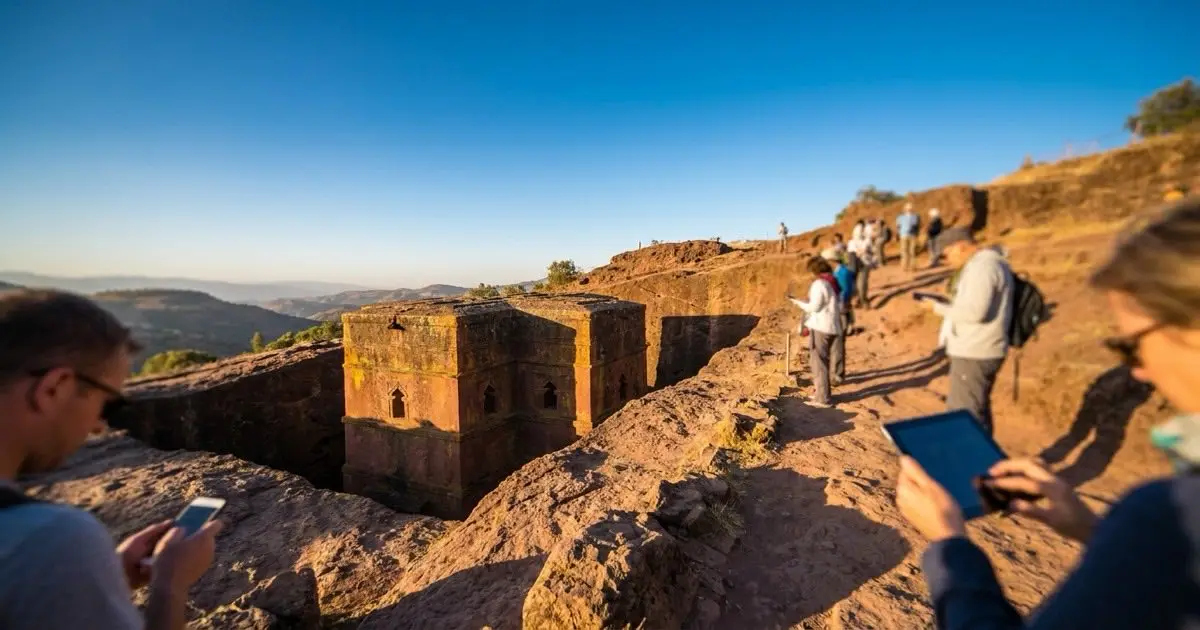
An eSIM for Ethiopia on esimbloom costs from $8.86, with 11 prepaid data plans from short-trip packs to month-long bundles. Buy online, scan the QR code from your email, and the plan activates the first time you connect in Ethiopia — no roaming charges, no contract, and your home SIM stays active for calls.
- Plans from
- $8.86
- Plans available
- 11
- Smallest bundle
- 1GB
- Shortest validity
- 7 days
- Delivery
- QR code by email, within minutes
- Plan type
- Prepaid data only — no contract
Prepaid data plans for travel in Ethiopia
esimbloom lists 11 prepaid eSIM plans for Ethiopia from $8.86 (the smallest is 1GB for 7 days). Every plan is data-only — mobile internet for maps, messaging and bookings, but no local phone number or SMS — and prepaid: pay once, no contract, no roaming charges.
Each plan covers the entire country. Whether you are exploring Addis Ababa, visiting Lalibela, or travelling through the Simien Mountains, your data allowance works nationwide. You pay once upfront, and there are no recurring charges or surprise bills.
How to set up your Ethiopia eSIM before you go
Your device must support eSIM technology and be carrier-unlocked. Most iPhones from XS onward, recent Samsung Galaxy and Google Pixel models, and many other newer smartphones are compatible. Check your phone settings or manufacturer documentation if you are unsure.
After purchase, you receive a QR code by email within minutes. Scan the code in your phone's eSIM or mobile data settings to install the plan. You can do this before you leave home, but the validity period starts only when you connect to a network in Ethiopia, so install early and activate on arrival.
Staying connected while travelling in Ethiopia
Addis Ababa has reliable coverage in the centre, around Bole International Airport, and in business districts. Coverage extends to major towns such as Dire Dawa, Bahir Dar, and Hawassa. Mobile connectivity weakens in rural highland areas and remote regions like the Danakil Depression, where signal can be sparse or unavailable.
Most travellers use 1GB to 3GB per week for maps, ride-hailing apps, WhatsApp, and checking email. Streaming video or uploading photos over mobile data consumes much more. Connect to Wi-Fi at your hotel in cities when possible, and download offline maps before heading into less connected areas such as the Omo Valley or northern historical sites.
Frequently asked questions
How much does an eSIM for Ethiopia cost?
esimbloom Ethiopia eSIM plans start at $8.86, with 11 plans to choose from. You pay once for the plan you pick — no roaming fees and no contract.
Do I need an eSIM for Ethiopia?
Only if you want mobile data without roaming charges. An esimbloom Ethiopia eSIM is installed from a QR code before you fly, activates on your first connection in Ethiopia, and is data-only — your home SIM stays in the second slot for calls and SMS, with its data roaming switched off.
Do I get a local Ethiopian phone number with my eSIM?
No. esimbloom plans are data-only, so you can use the internet but cannot make voice calls or send SMS. Use WhatsApp, Signal, or other apps for calls and messages over your data connection.
When does my Ethiopia eSIM plan start?
The validity period starts when your device first connects to a mobile network in Ethiopia. You can install the eSIM at home before departure, and it will activate automatically when you arrive and turn on mobile data.
Can I use my eSIM across multiple trips to Ethiopia?
Only if your plan remains valid. A 7-day plan expires seven days after first use. If you return after the validity period ends, you will need to purchase a new plan for your next trip.
Will my eSIM work in the Simien Mountains or Lalibela?
Coverage in highland towns such as Lalibela is generally available, but signal can be weak or absent in remote trekking areas and rural villages. Download offline maps and essential information before leaving connected areas.
How much data do I need for a week in Ethiopia?
For maps, messaging, and email, 1GB to 2GB per week is usually enough. If you plan to video call, upload photos, or stream content, consider 3GB or more, and use Wi-Fi at hotels when available.